Below is an excerpt from our podcast episode “Duchenne and Desire.”. Click here for the full podcast.


I think self-esteem is a big issue for a lot of people. I think for people with disabilities, it can even be a bit more of an issue for people with Duchenne.
There are a lot of issues in terms of corticosteroids causing delays in growth during puberty and things that make you just a little bit different from your peers.
This can cause some issues with self-esteem.
These Things Are Happening
Duchenne is a condition of muscles. And yes, Duchenne shows up in the brain, and it shows up in the heart, and you can have heart issues, and you can have ADHD, and you can have weakness… but you can also have delayed puberty.
And with delayed puberty comes low testosterone. A lot of boys go on supplemental testosterone to help. Then they go through puberty and have all the hormonal shifts and feelings that their peers are having.
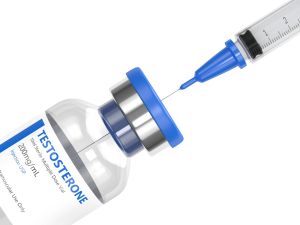

I do think it’s important to understand that just because you have Duchenne does not mean you’re not going through the natural process. Sometimes kids don’t need supplemental testosterone.
Either way, erections are happening, interest is happening. And looking at porn is a very common way that people explore some of these things that are happening from a hormonal perspective.
And I think if weare ignoring that as a medical community, or as a parent group, then we’re not holistically taking care of the people that we are raising or working with.
Individuals with Duchenne have to be careful, though, because if you have delayed puberty, and you’re not as mobile as other people, and you have low vitamin D, then you’re at risk of a fracture. So, your sex may need to be a little bit more cautious than others. You have to understand the risk factors, but by no means does that mean that sex cannot happen.
Individualized Sexual Health Education
I think, unfortunately, sexual health education is just not a priority. It’s something that people aren’t as comfortable talking about, period. And are even less comfortable talking about when it comes to people with disabilities. So, I think much of the lack of sexual education for individuals with disabilities stems from that.
And I think the really important thing is #1) that we make sure that people with disabilities – at the bare minimum – have the same access to reproductive health education that their peers do. And #2) that we also start to work on creating appropriate reproductive and sexual health education for people with disabilities.